
Why ADHD Gets Missed in Girls and Women
Diagnostic criteria were built around how boys present in research from the 1980s, and that...
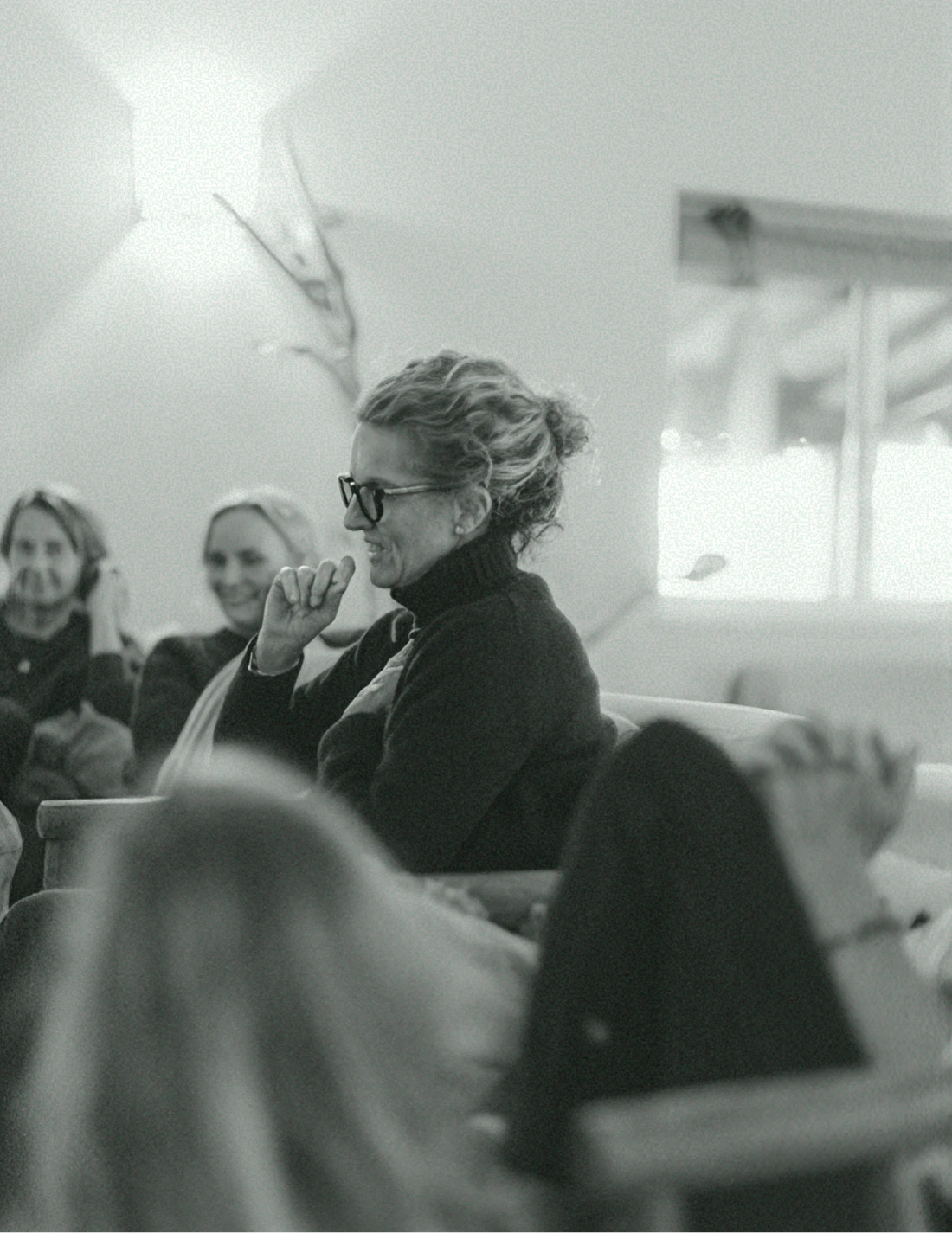
I enjoy helping people get to know themselves more fully in order to change what isn't working, and deeply appreciate what is. To knit their parts together into a uniquely colourful tapestry.
Book a session“Serena’s a remarkably warm, kind and open-minded spirit created a space for me where I could really get to know myself on a level I didn’t know I needed. ”
I hold a Masters of Counselling and registrations with the Psychotherapy and Counselling Federation of Australia and the Australasian ADHD Professionals Association.
Sessions are able to be held in person at Norfolk St in Fremantle, or online if that suits you better. Some clients prefer a mix of both, I’m happy to accommodate either way!
You don't need a referral or a diagnosis to see me. However if it would help, I’m happy to liaise with your GP or other health providers.
Some people know what they want to work on. Others have a vague sense that something isn't sitting right and aren't sure how to describe it yet. Both are a good place to start.
My approach is psychodynamically informed. Put plainly: the patterns we use to manage feelings and relationships form early, mostly outside our awareness, and keep showing up in adult life whether they still serve us or not. Therapy makes those patterns visible. Once we can see them, they're open to change.
It takes time. Sometimes the process is quick, but normally it comes with patience and familiarity. Trust is built in its own time; it can't be requested or offered lightly. My approach is very warm and very human (as awkward as that is to write!). I take the therapeutic relationship seriously and believe it's a vital aspect of the work we do together.
Many people reach adulthood with ADHD or autism unnoticed or misread. Whether you're newly diagnosed, waiting on an assessment, or just wondering, there's usually a lot to make sense of. Counselling can help the pieces fit together more comfortably.

Many people reach adulthood with ADHD or autism unnoticed or misread. Whether you're newly diagnosed, waiting on an assessment, or just wondering, there's usually a lot to make sense of. Counselling can help the pieces fit together more comfortably.
Perimenopause, menopause, and parenthood are usually talked about as physical events. That misses the way they reshape identity, mood, and how you see the world. These shifts deserve more than a symptom checklist.
Grief is something we all experience in a thousand different ways over a lifetime. It may be the loss of someone, or something, or a longing for something we haven't known. Exploring these feelings in therapy can be a cathartic and loosening experience, freeing us up to move forward with more ease.
Most of us come up against the same defeating patterns with our children without knowing why. Understanding what's happening between you and your child, and where it comes from, can take some of the guesswork out of raising them.
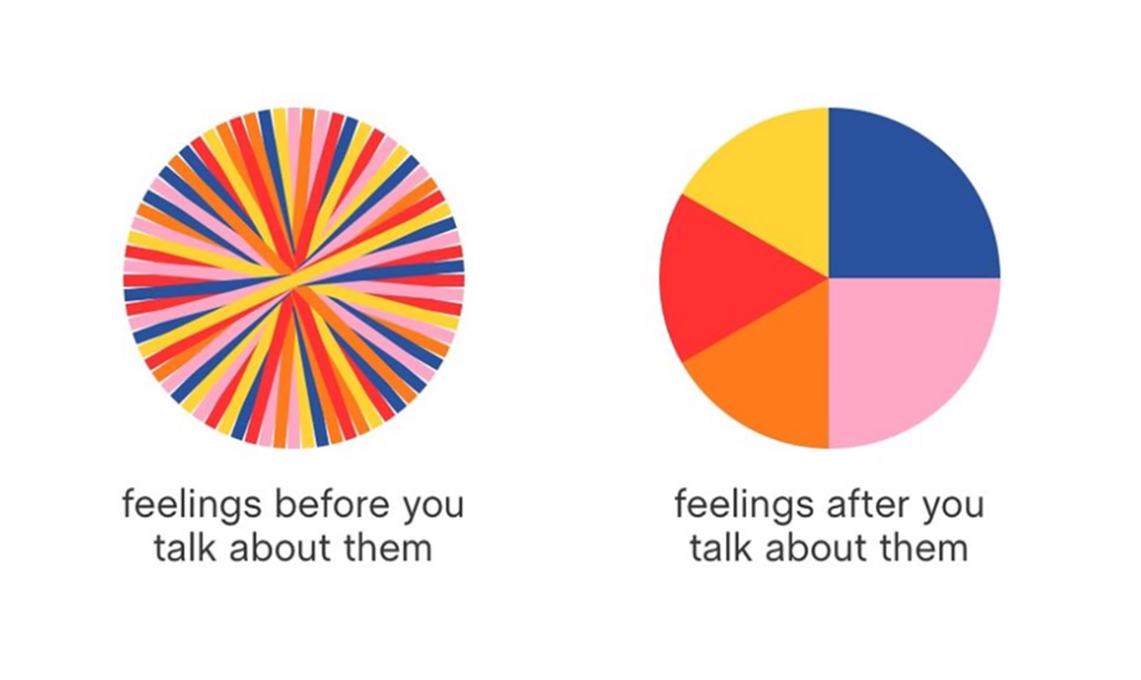
Feeling everything, or feeling nothing much, or both, can be exhausting and confusing. Most of us weren't taught much about feelings: how to name them, what they're for, or why they're so often uncomfortable. Awareness, understanding, and space to explore mean more choice about how to respond to our own feelings, and to other people's.
Often there is no crisis. Perhaps you're looking for a deeper connection to your own life, or in your relationships. You don't need to earn your way into counselling by being in enough trouble.
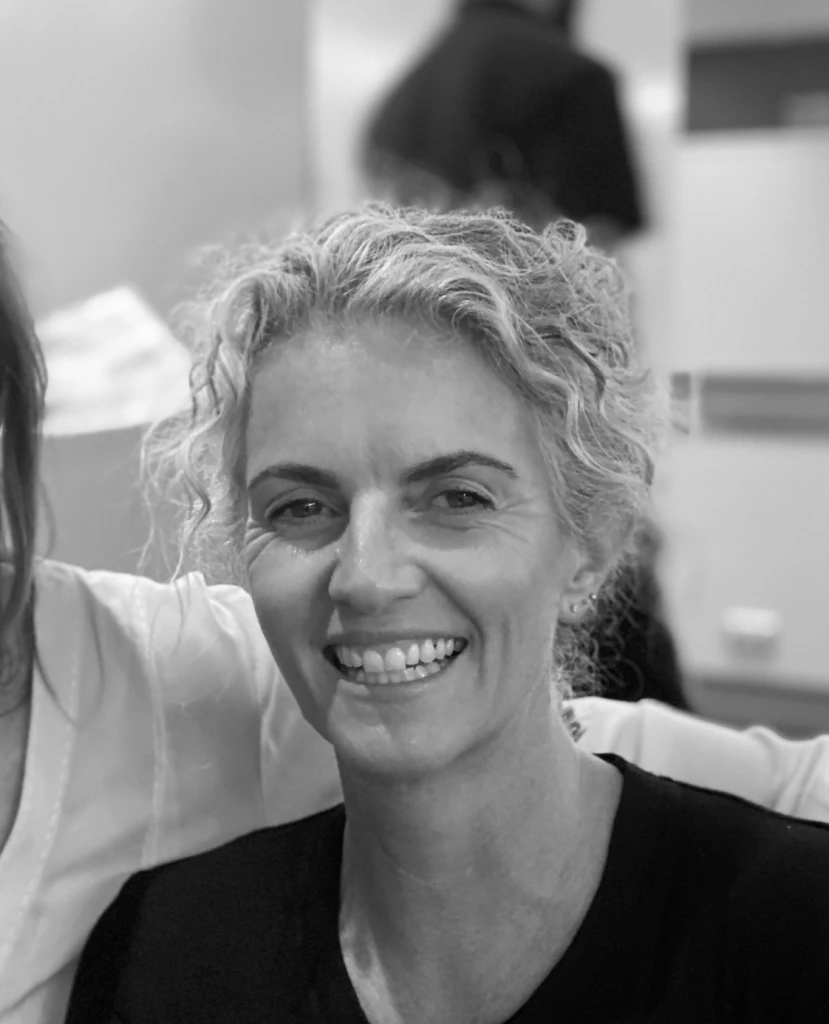
I'm a counsellor in private practice, working and living in Fremantle. I hold a Master of Counselling from the University of Notre Dame and am registered with PACFA.
I have experience working with neurodivergence, the transitions that reshape identity, parenting, grief, and working out who you are outside the roles you've gathered over the years. Alongside private practice I work at a community health service, and I periodically design and run workshops on emotional regulation, ADHD in women, and parenting.
Training and registration
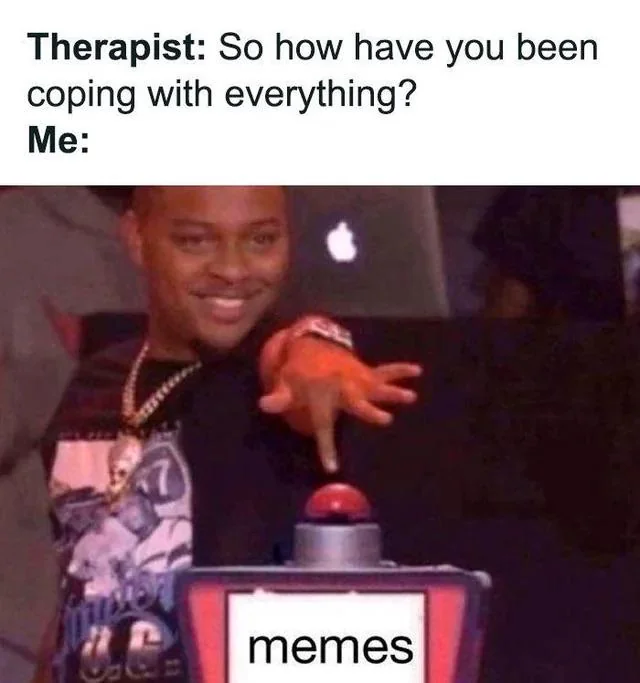
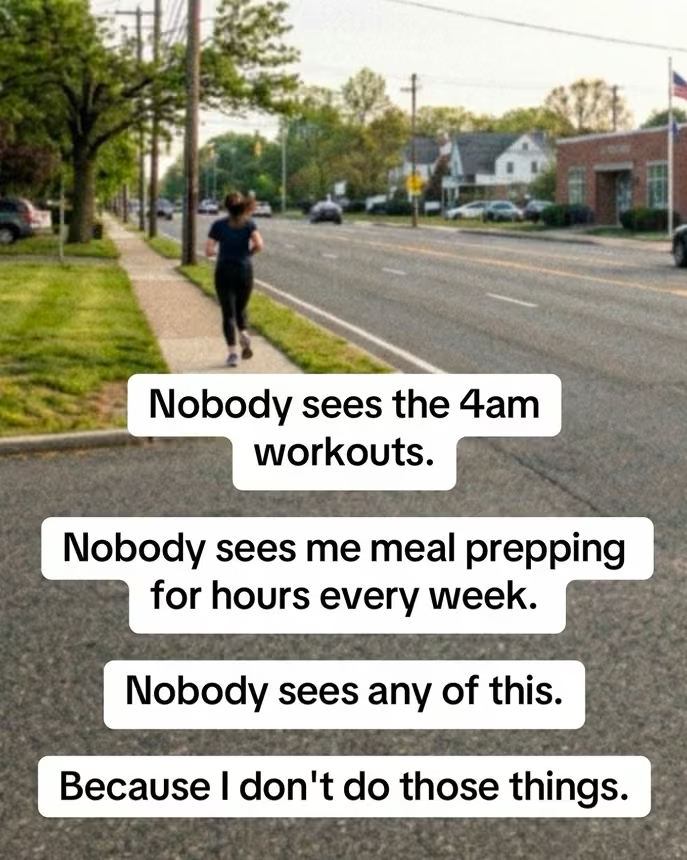
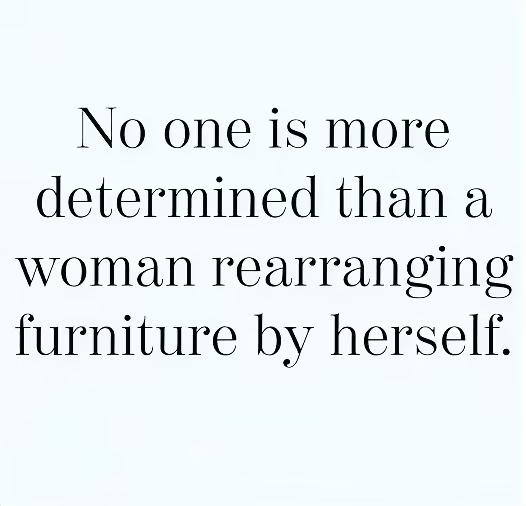
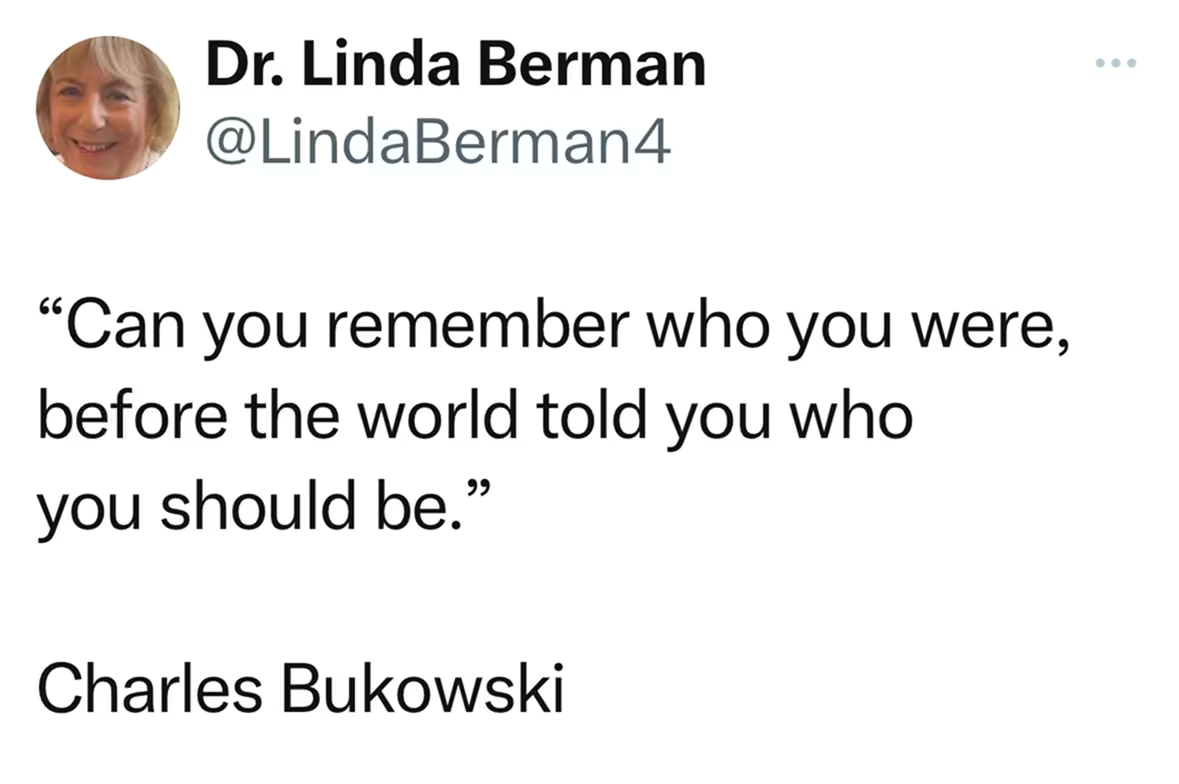
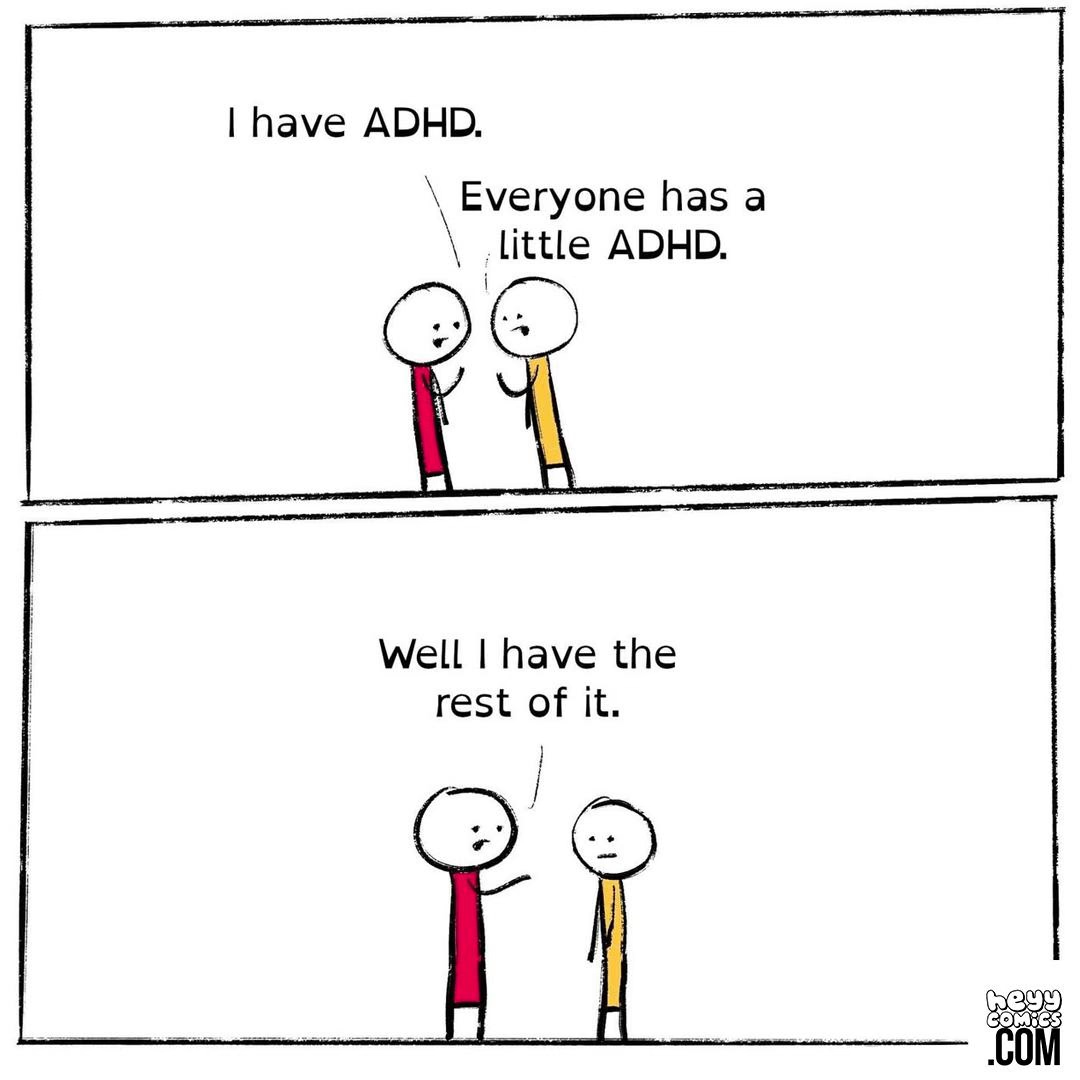
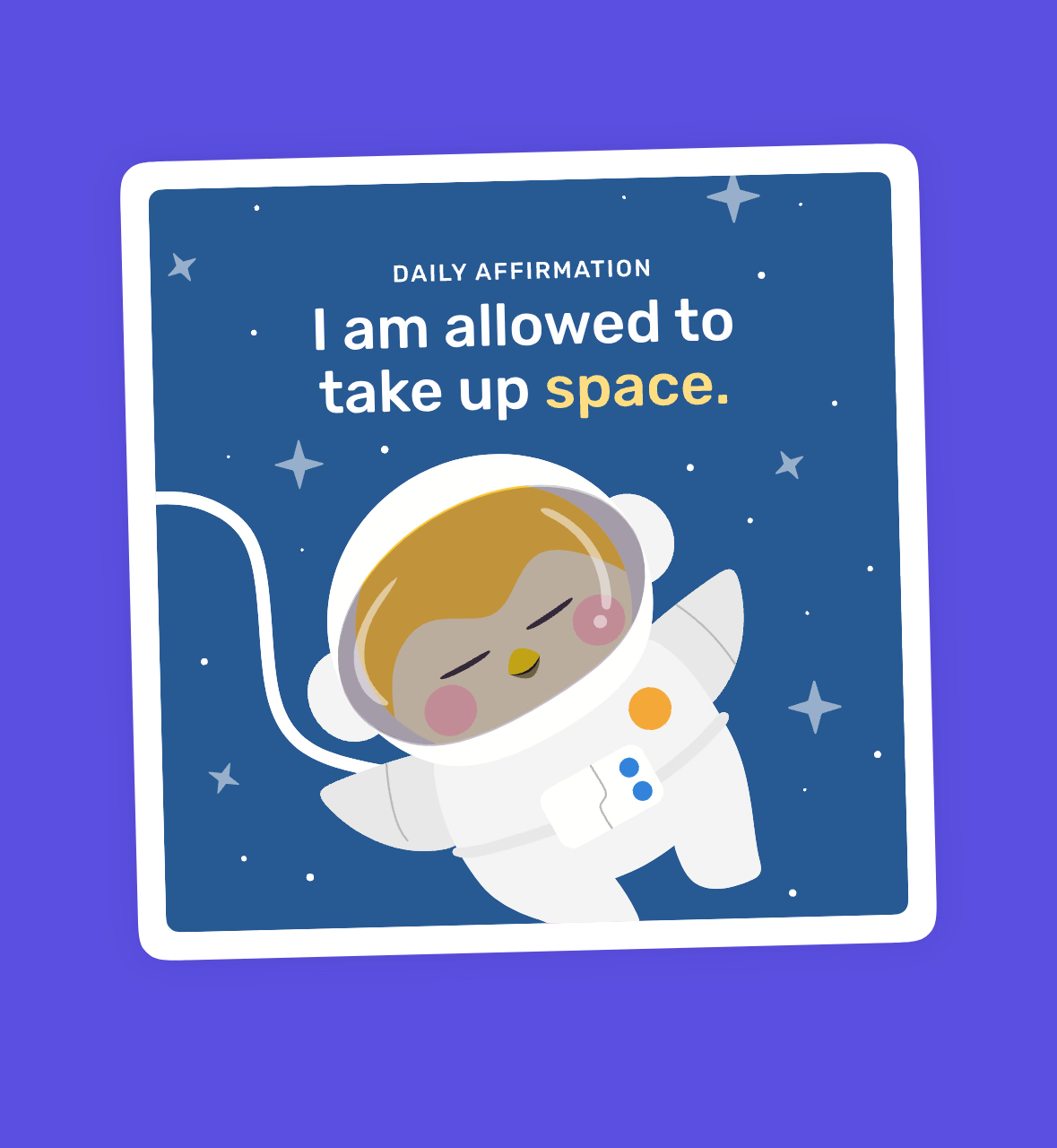
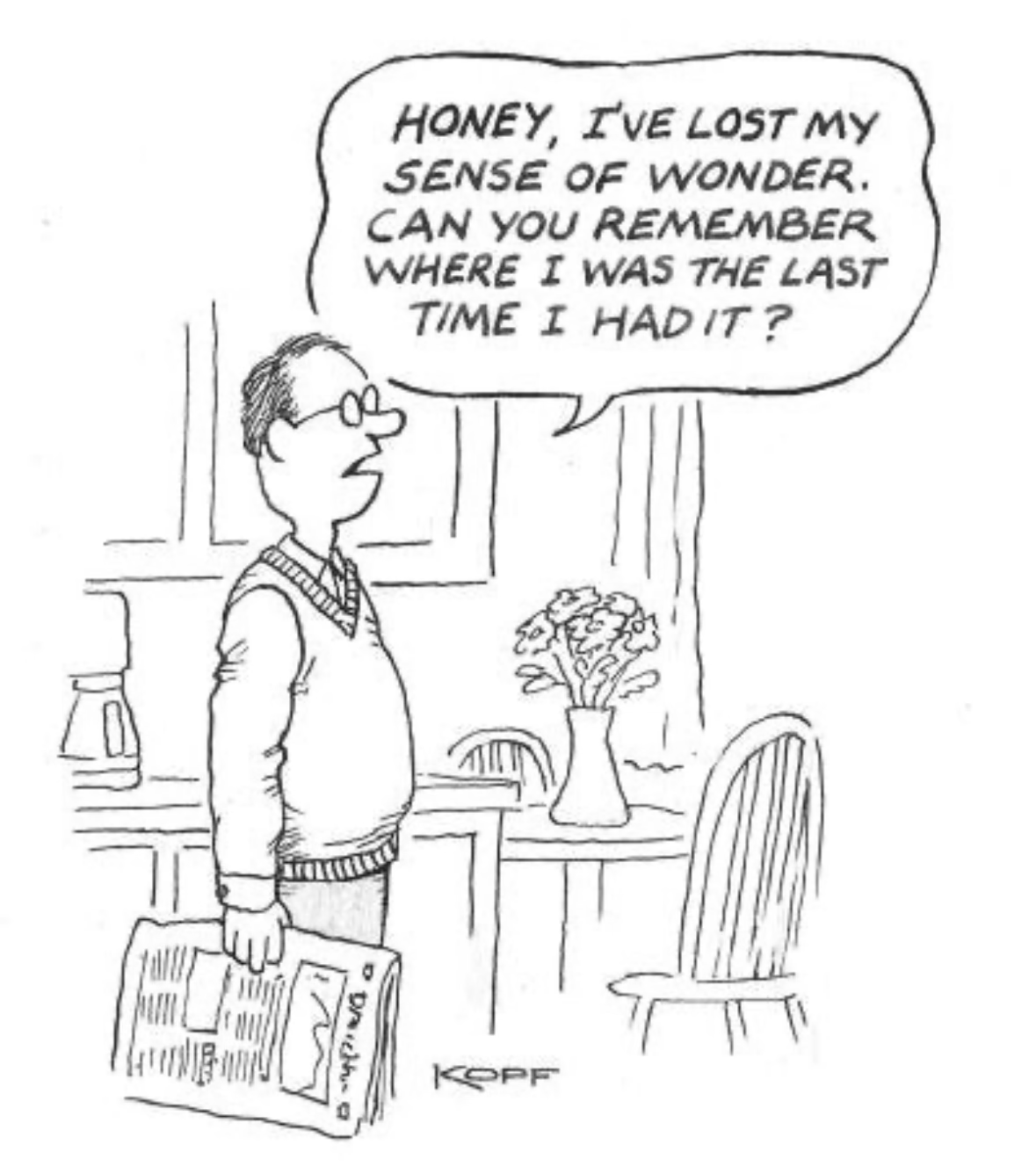
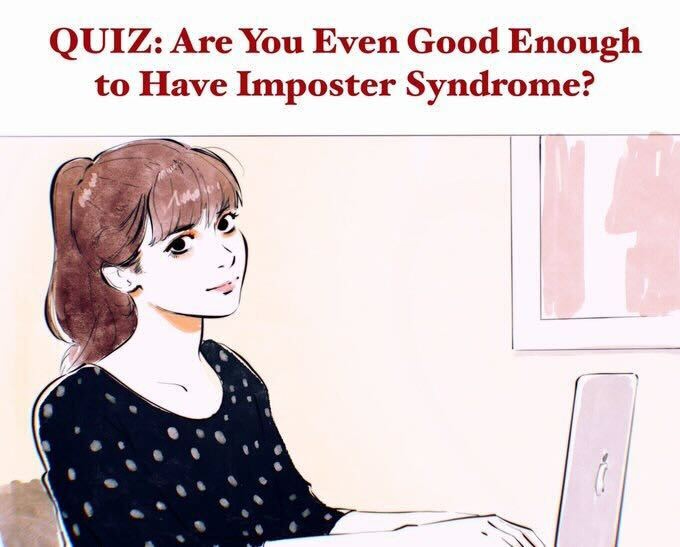
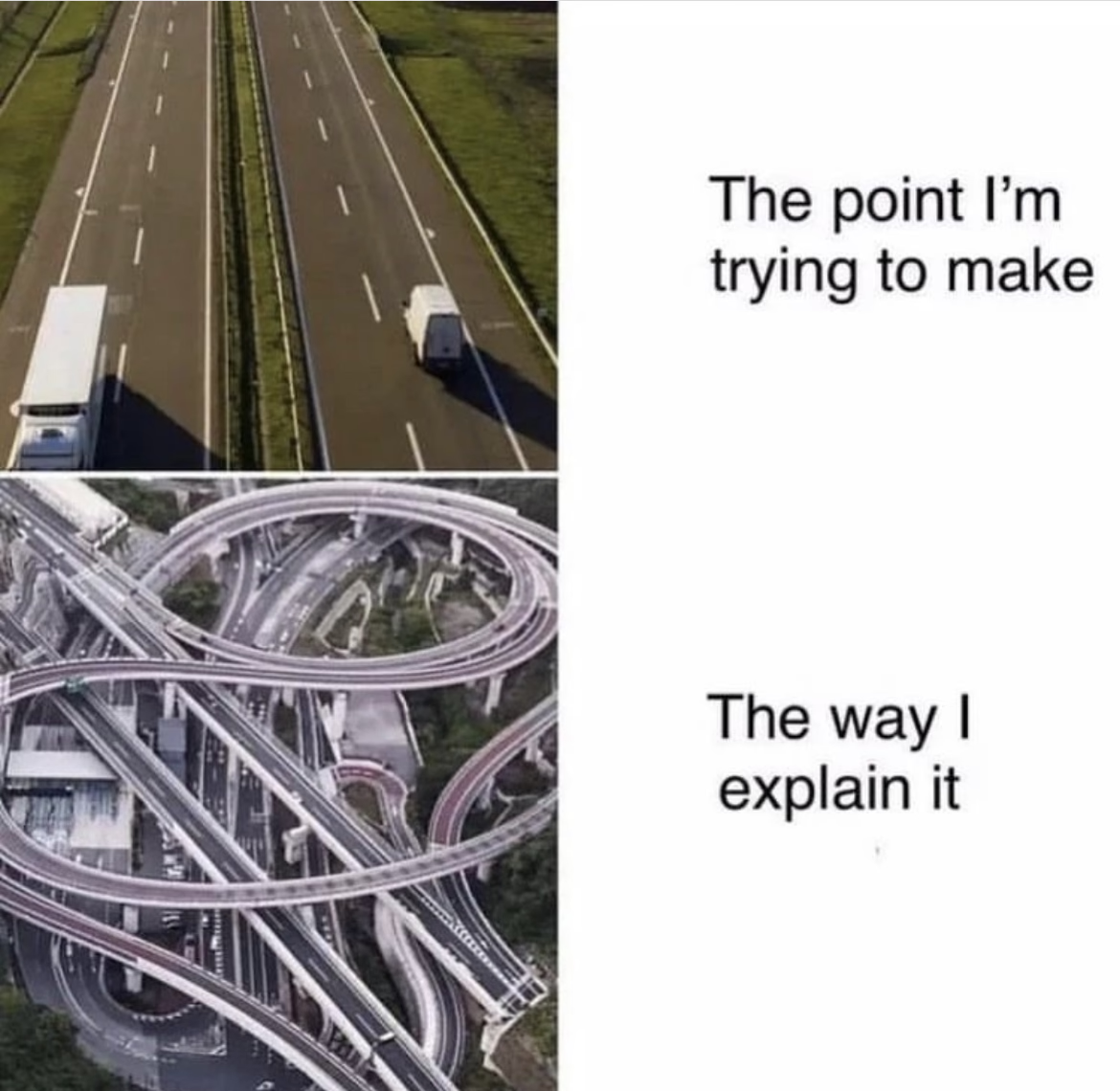
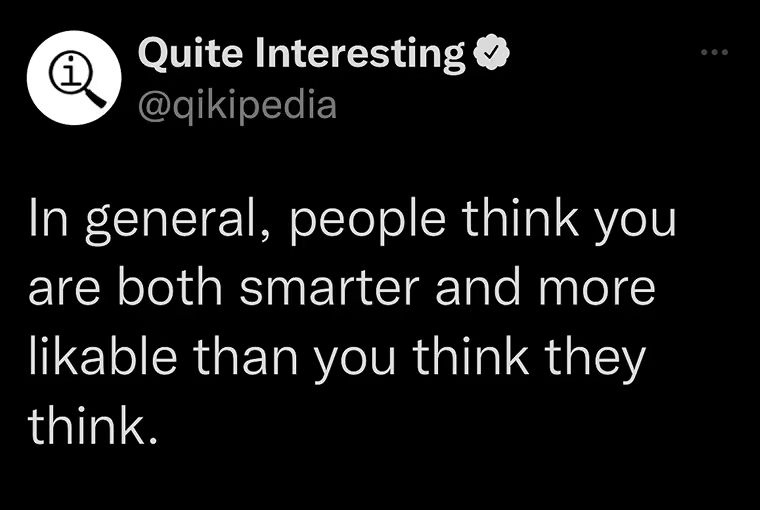
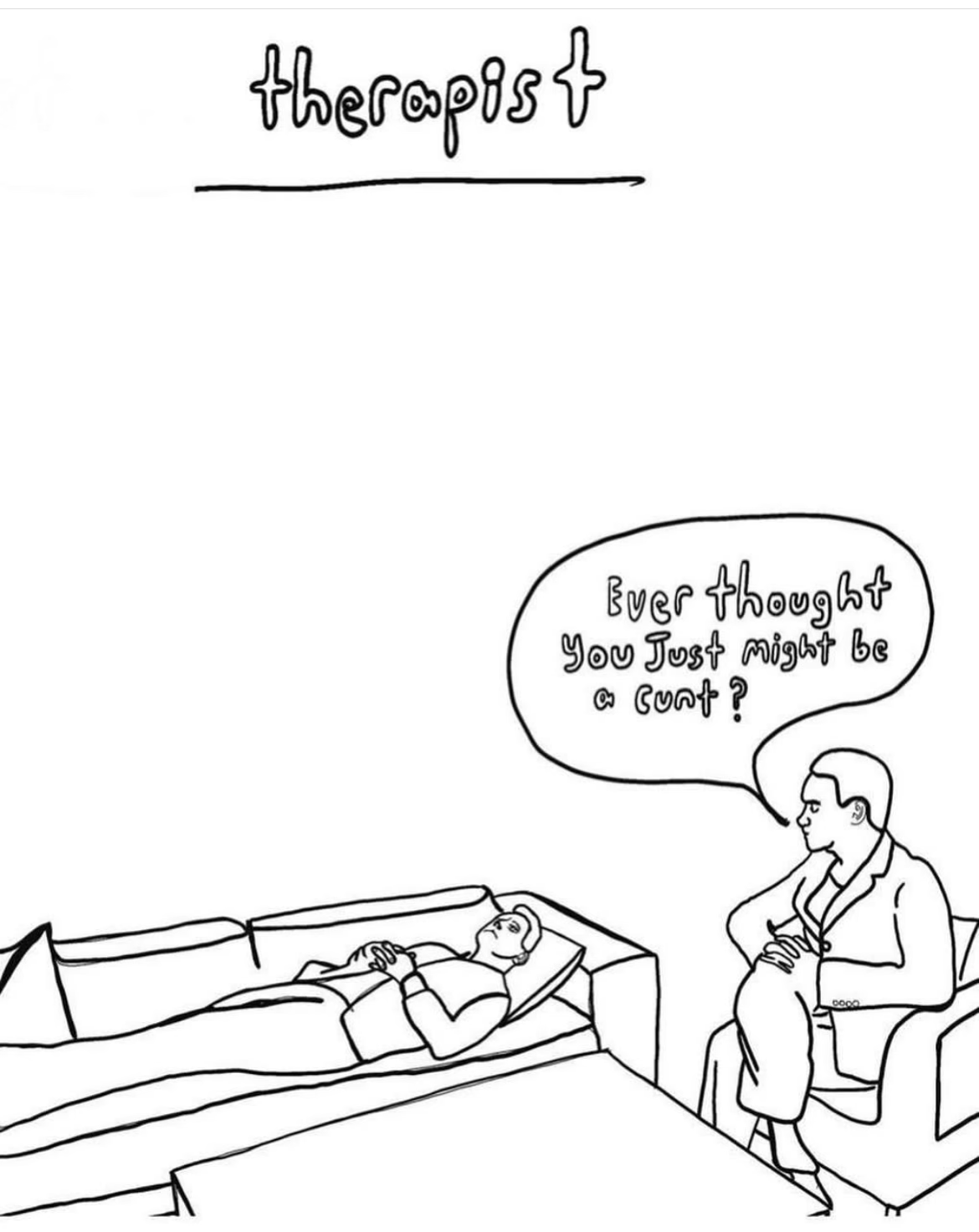
We’ve been very sensible up to this point. But sometimes memes speak louder than words. Here's some things from my doom scroll archives. Saved for research purposes, obviously.

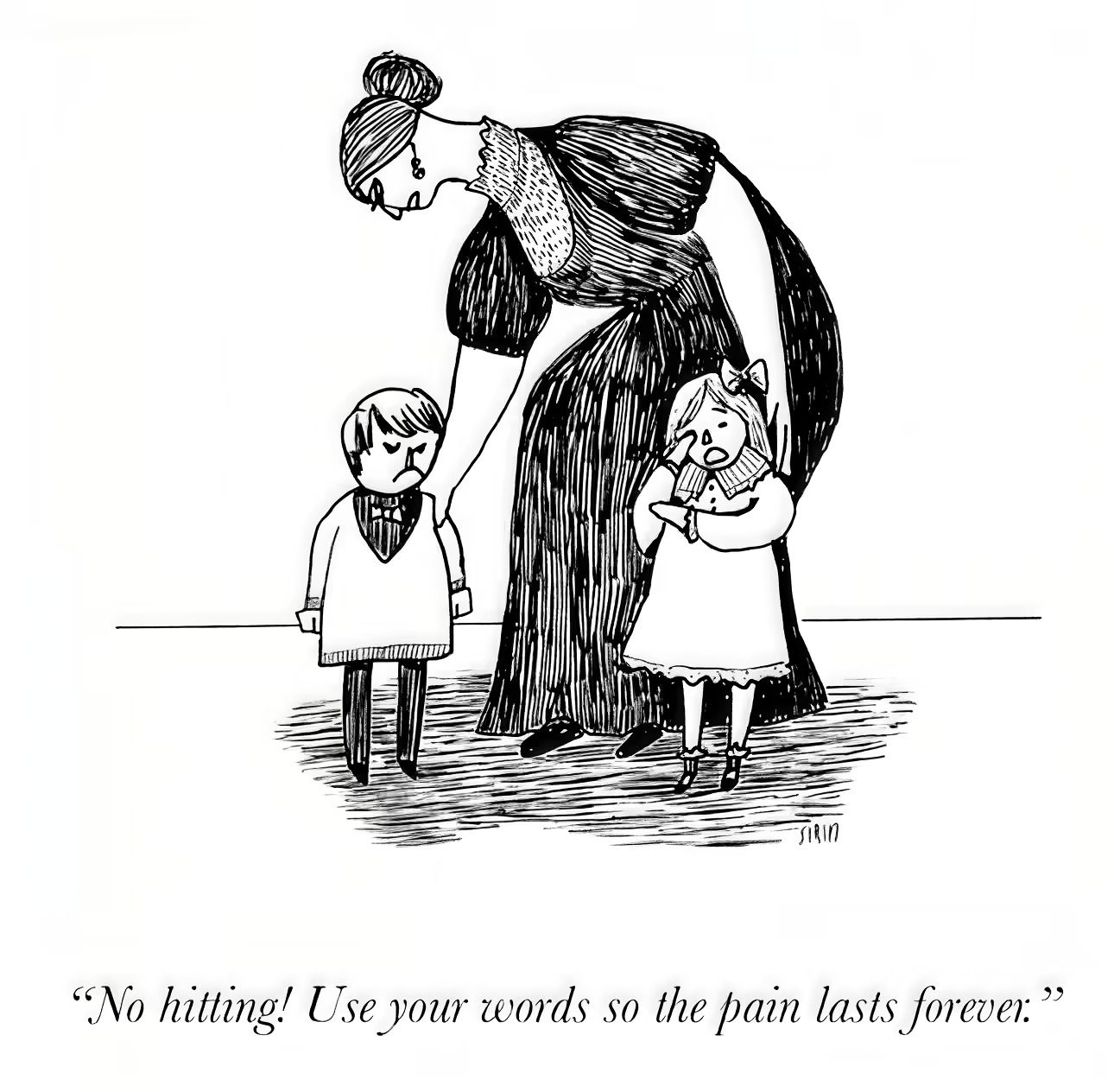
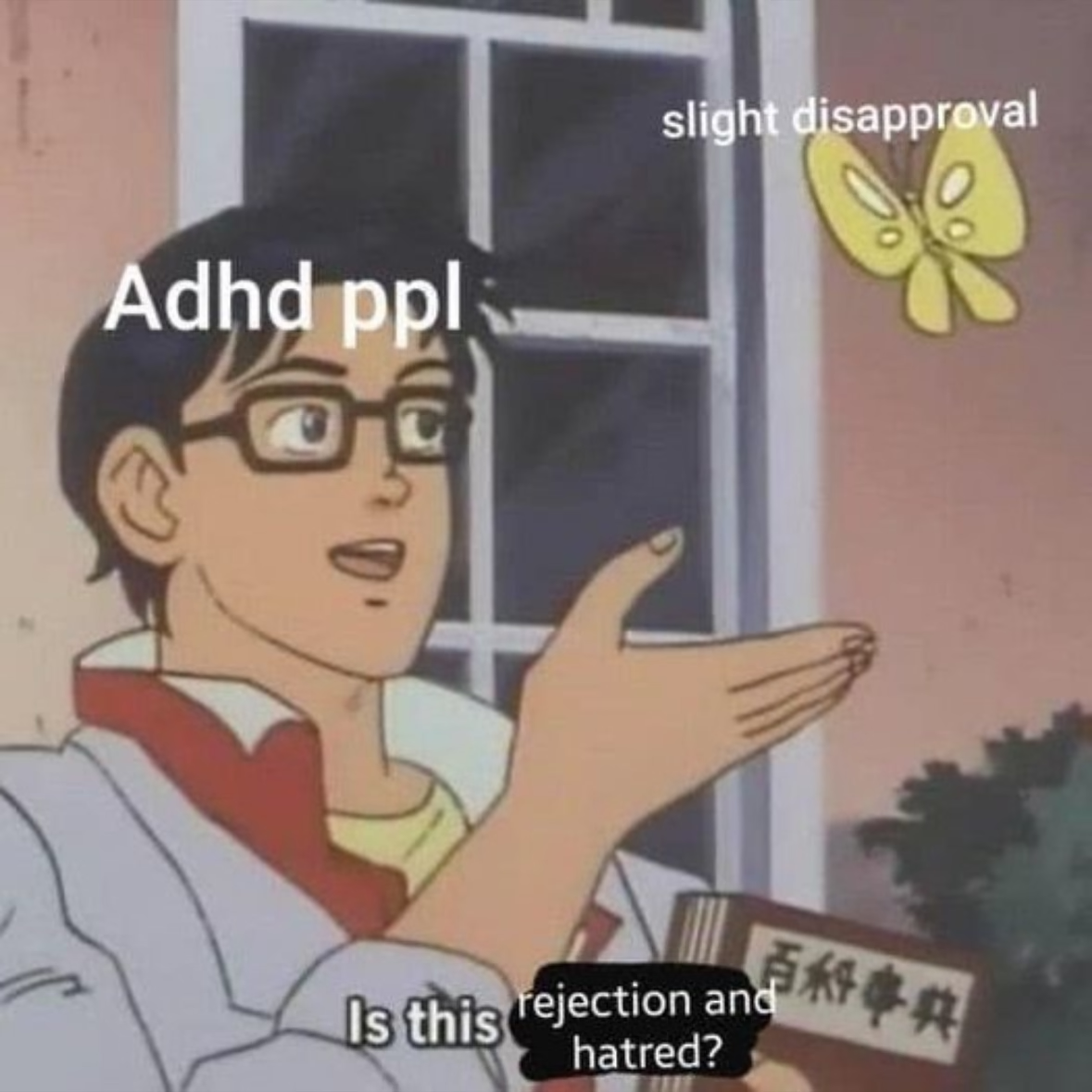
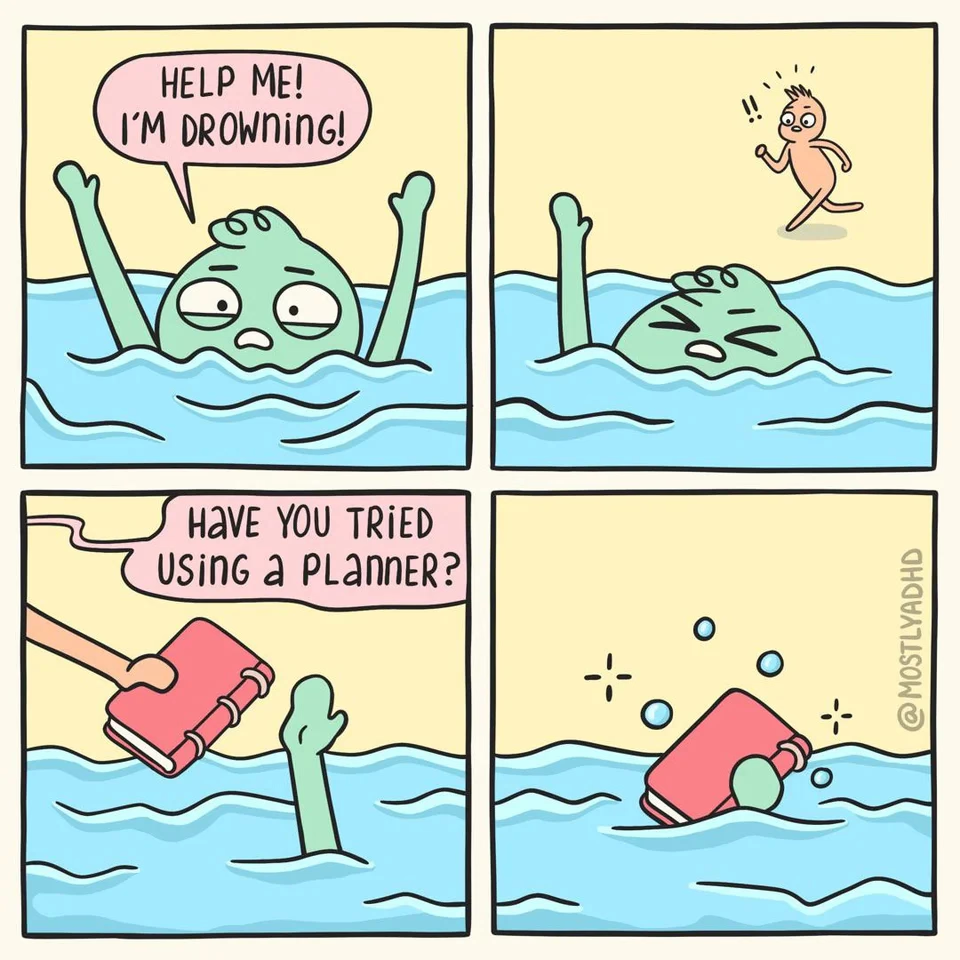


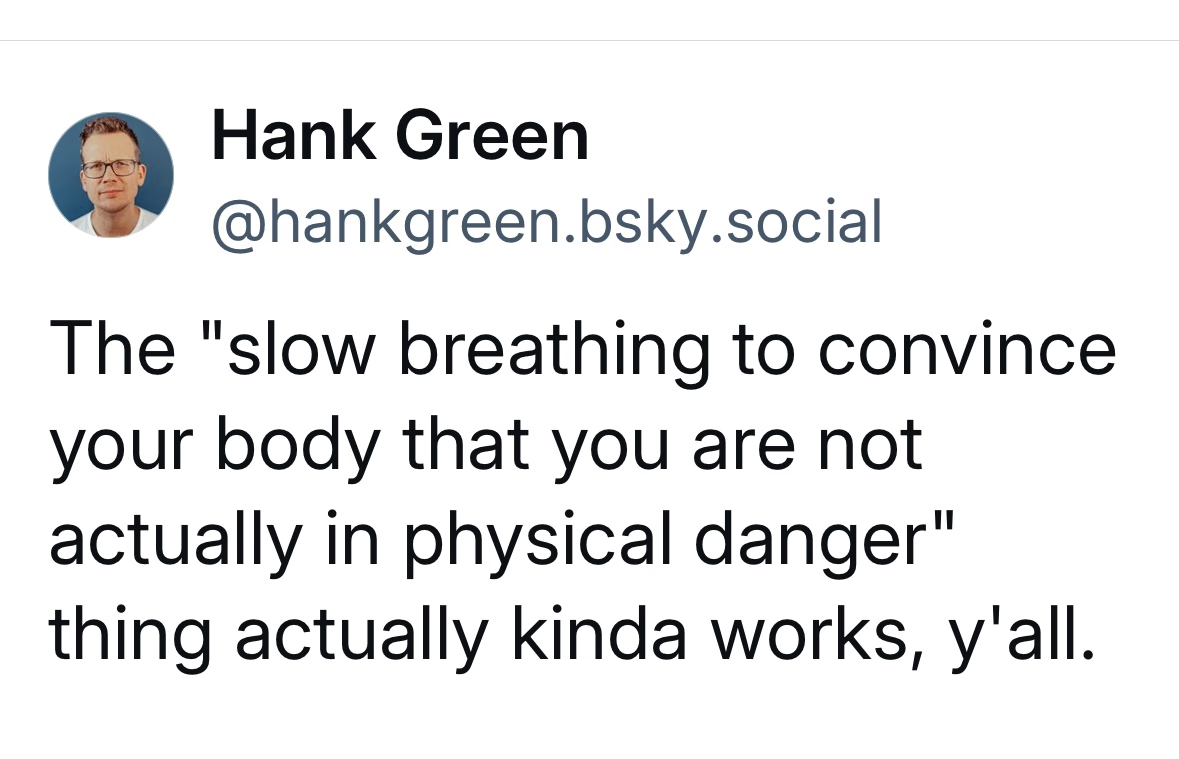








A few things you might want to know before booking, from what sessions are like to the practical details. If your question isn’t answered here, you’re welcome to get in touch.
You might be navigating a particular difficulty, noticing patterns in your relationships, or feeling unlike yourself without knowing why.
I work with neurodivergence, perimenopause and other life transitions, parenting, grief and loss, emotional regulation, and questions about identity. You don’t need to be in crisis or have a diagnosis to come.
The first session is a chance to begin getting to know each other. We’ll talk about what has brought you here, what feels difficult, and what you might hope to get from counselling.
You can also ask questions about how I work. You don’t need to explain everything at once or arrive with a clear plan.
You don’t need to have it all worked out first. A vague feeling that something isn’t right is enough to begin.
We can start with what’s been on your mind, something that happened recently, or what feels difficult to put into words. Finding a starting point is something we can do together.
Feeling comfortable enough to speak openly matters. That comfort may take time, but you should feel listened to, respected and able to ask questions.
My approach is warm, curious and focused on understanding your experience. If something about our work doesn’t feel helpful, you’re welcome to say so. You can also email me before booking if you’d like to ask a question.
Psychodynamic counselling explores how earlier experiences can shape the ways we respond to feelings, relationships and difficulties now.
In sessions, we might notice a familiar conflict, a reaction you don’t understand, or a pattern you keep finding yourself in. Understanding where these responses come from can give you more choice about what happens next.
We’ll talk about what matters in your life now, with attention to the experiences that have shaped it.
Sessions cost $140 and run for 50 minutes.
You can book through the online booking portal, where you’ll find current availability. New clients complete an intake form before their first booking.
I currently offer appointments on Tuesdays, between 9am and 7pm. If you’d like to ask something first, email contact@serenanathan.com.au or use the enquiry form. I’ll respond within two business days.
I know life gets busy! You can cancel or reschedule, but please note a cancellation fee of $50 applies when notice is within 24 hours of your appointment.
Yes, In-person sessions are held at 10 Norfolk St, Fremantle, WA 6160, but I also offer online video sessions for people across Australia. You can choose the format that suits you, and some clients use a mix of in-person and online appointments.
No. You can book directly without a GP referral, Mental Health Care Plan or diagnosis.
If it would be helpful, I’m happy to liaise with your GP or other health professionals with your consent. Counselling can sit alongside medical care, psychological treatment or other support.
Sessions can be weekly, fortnightly, monthly, or whatever schedule suits you best.
There’s no fixed number of sessions or program to complete. Some people come to explore something specific; others find longer-term counselling useful. We can review this together as we go.
PACFA is the Psychotherapy and Counselling Federation of Australia. Registration means meeting professional requirements for training and practice, following a code of ethics, and maintaining ongoing professional development and clinical supervision.
Clinical supervision is regular consultation with a qualified professional to reflect on my work and support safe, thoughtful practice. PACFA registration also provides accountability through a complaints process.
I hold a Master of Counselling from the University of Notre Dame. My areas of interest and experience include neurodivergence, life transitions, parenting, grief, identity, emotional regulation and all the many things that come with being human.
No. Although much of my work is with women and older teens, I welcome enquiries from anyone seeking support.
If you’re unsure whether my experience or approach would suit you, you’re welcome to get in touch before booking.
Perimenopause and menopause can bring questions about identity, relationships, parenting, ageing and what you want from the next part of your life.
Counselling offers space to explore those experiences and how you’re feeling. My interest is in the emotional and personal changes involved. For physical symptoms, medical assessment or treatment, speak with your GP or another appropriate medical practitioner.
I welcome enquiries from self-managed and plan-managed NDIS participants.
Whether your funding can be used for counselling depends on your individual plan and circumstances. Please check with your plan manager or the NDIA before booking, and contact me to discuss arrangements.
All three can support mental health, but their training and services differ.
A counsellor works with you through conversation to understand what you’re experiencing and find ways forward. This can include emotional difficulties, relationships, grief, identity and patterns that keep repeating.
A psychologist provides psychological assessment and therapy. Depending on their training and experience, they may also assess and diagnose conditions such as ADHD or autism. Psychologists do not prescribe medication.
A psychiatrist is a medical doctor who specialises in mental health. They can diagnose conditions, prescribe medication and provide other treatments, including talking therapy.
I hold a Master of Counselling and am registered with PACFA. My work focuses on helping people understand themselves, their feelings and their relationships more fully. Counselling with me may suit you if you want to explore what isn’t working and make changes with ongoing support.
Psychologists and psychiatrists can also offer this kind of therapy. The right choice depends on what you want and need, and some find benefit from a combination of support across these fields.
If you need a formal diagnostic assessment or medication, counselling with me won’t replace that care, but it can support you before, during snd after that process.
For some women, recognising ADHD brings relief alongside questions about years of feeling misunderstood or trying harder without knowing why.
In counselling, we can explore what this means for you: your sense of self, emotional responses, relationships, parenting, and expectations you’ve carried. My experience includes working with neurodivergence and facilitating workshops on ADHD in women.
My approach focuses on understanding your experience and the patterns affecting your life. If your main goal is structured support with planning, routines or accountability, an ADHD coach may also be worth considering.
Yes. You don’t need a formal diagnosis to explore your experiences in counselling.
Whether you’re wondering, waiting for an assessment or making sense of a recent diagnosis, we can work with what feels difficult or important to you. I don’t provide formal ADHD or autism diagnostic assessments, but counselling can support you before, during or after that process.

“Serena’s a remarkably warm, kind and open-minded spirit created a space for me where I could really get to know myself on a level I never thought was possible before.”
― Jane C.
Often the problem has been going on a while, and has usually already survived several rounds of 'trying harder'. My interest is in helping you understand yourself well enough to work out what comes next.
All resourcesDiagnostic criteria were built around how boys present in research from the 1980s, and that...
Diagnostic criteria were built around how boys present in research from the 1980s, and that...

Diagnostic criteria were built around how boys present in research from the 1980s, and that...

Diagnostic criteria were built around how boys present in research from the 1980s, and that...
Diagnostic criteria were built around how boys present in research from the 1980s, and that...
Diagnostic criteria were built around how boys present in research from the 1980s, and that...
Diagnostic criteria were built around how boys present in research from the 1980s, and that...
Diagnostic criteria were built around how boys present in research from the 1980s, and that...